Disability, Intimacy & Sexuality Support
Choice. Dignity. Connection. Self-Determination
Enquire via phone: 0491 643 454
About Ty
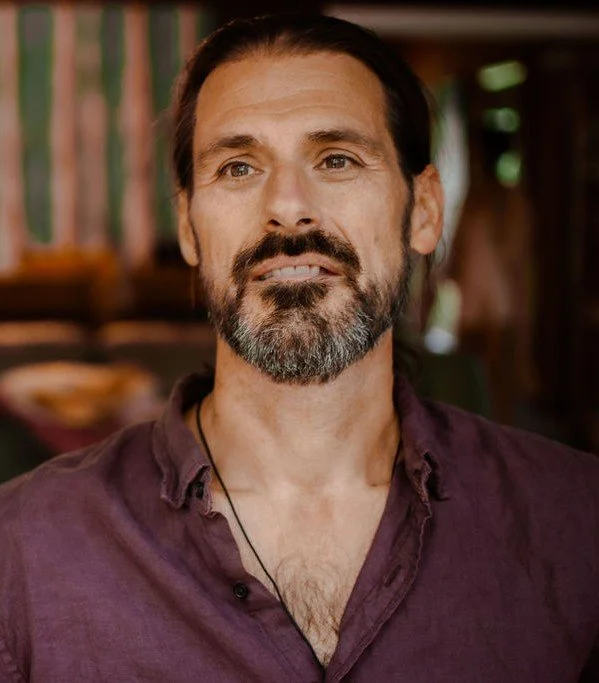
I'm Ty Jones, a professional companion, intimacy practitioner and sexuality educator.
My professional training includes:
Certified Sexological Bodyworker
Institute for Somatic Sexology
Certified Somatic Sex Educator
Institute for Somatic Sexology
Certified Interactive Erotic Educator
Intereos
Conscious Sexuality Experience Training
The Centre for Conscious Experiences
My work brings together sexuality education, embodied learning, communication, consent and interpersonal experience.
I aim to provide a calm, respectful and non-judgemental environment where people can explore intimacy at a pace appropriate for them.
For Participants
You do not need to know exactly what you want before contacting me.
We can begin by talking about what you would like more of in your life and what would help you feel comfortable and supported.
Nothing needs to happen simply because it has been discussed.
Your boundaries and choices matter throughout the process.
For Support Coordinators & Organisations
I welcome enquiries from Support Coordinators, disability organisations and other professionals wanting to understand whether my services may be appropriate for someone they support.
Where useful, I can participate in an initial conversation to discuss the person's goals, potential support approach, boundaries and practical considerations before any individual session is arranged.
I also collaborate with other sexuality and intimacy practitioners where a broader or different form of support would better meet the person's needs.
All enquiries are treated respectfully and confidentially.
Choice. Dignity. Connection. Self-Determination
People living with disability have the same human needs for connection, intimacy, sexuality, relationships and sexual expression as anyone else.
Yet opportunities to safely explore these parts of life can sometimes be limited by physical barriers, social attitudes, lack of education, communication challenges or simply not knowing where to find appropriate support.
I provide individualised intimacy and sexuality support for adults living with disability.
Person-Centred Support
There is no standard session or predetermined outcome.
Support begins by understanding the individual.
Together we can discuss the person's interests, goals, experience, communication preferences, boundaries and support needs before deciding what — if anything — happens next.
Depending upon the individual, support may relate to:
Connection and companionship
Understanding intimacy and relationships
Communication and boundaries
Consent
Body awareness and confidence
Sensuality and touch
Sexuality education
Exploring intimacy with another person
Developing greater confidence communicating wants and needs
The person remains at the centre of decision-making.
A Supported Approach
Some people may benefit from additional preparation before exploring physical intimacy.
Others may already have a very clear understanding of what they would like.
Where appropriate and with the participant's consent, support can be coordinated with other people in their support network.
This may include Support Coordinators, carers, allied health practitioners, sexuality professionals or other appropriate providers.
The intention is to create support that respects the person's autonomy while also considering communication, consent, safety, capacity, boundaries and individual circumstances.
The ability to have conscious conversations and explore sensuality regarding intimacy, healthy relationships, consent and boundaries is a fundamental part of being human - and this includes people with disabilities.
Intimacy can encompass various forms, including emotional intimacy, physical intimacy and sensuality and sexual expression. For people with disabilities, the need for intimacy, healthy relationships, consent and boundaries can be particularly pronounced, and include requirements for human connection, self-esteem and identity, quality of life, wellbeing, social connection and sexual health.
Intimacy and sexual exclusion may result from mental and/or physical conditions which make desirable intimate relations difficult to attain without social support.
I am committed to providing social support.
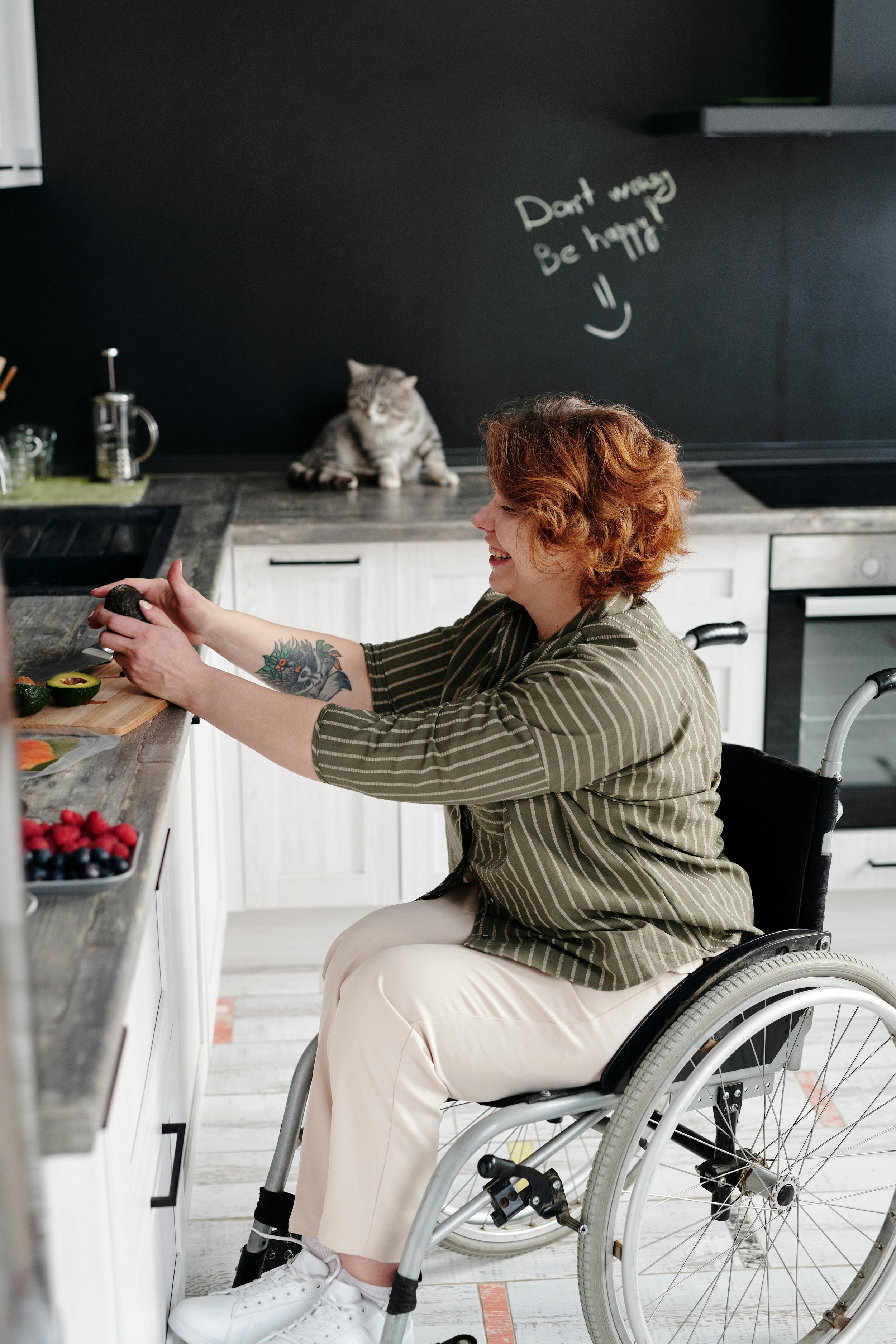
Organisations and advocacy groups in Australia also work to raise awareness about the importance of intimacy for people with disabilities and advocate for policies that support their rights. These efforts are crucial for ensuring that people with disabilities have the opportunity to experience intimacy and relationships on their own terms, just like anyone else.
Although the NDIS does not currently fund commercial sex work support services as a standard funded support, some forms of sexuality and relationship education, psychosexual therapy, and assistance with intimacy topics can be funded under appropriate support categories, depending on individual plans and what is deemed reasonable and necessary.
Research refers to several problems affecting people with disabilities, including: residing in controlled environments; coercion; and, a lack of information, time to make decisions, and support from significant others (Wittrock, 2023). This difficulty in attaining intimate relations can be exacerbated in regional and remote areas of Australia, particularly in low socio economic regions. Similarly, many women with a disability can be further disadvantaged and not equipped with capabilities for successful intimate relationships.
Many of the 4.4 million people in Australia with a disability find intimate relationships and dating difficult to navigate. In Australia, Commonwealth, State and local governments recognise the importance of addressing the needs of people with disabilities, including their need for intimacy and sensuality. The Australian government has prioritised disability rights and inclusion through various policies and initiatives, such as Australia's Disability Strategy and the National Disability Insurance Scheme (NDIS). These efforts aim to promote the rights of people with disabilities, including their right to sensuality, relationships, intimacy, and sexual health.
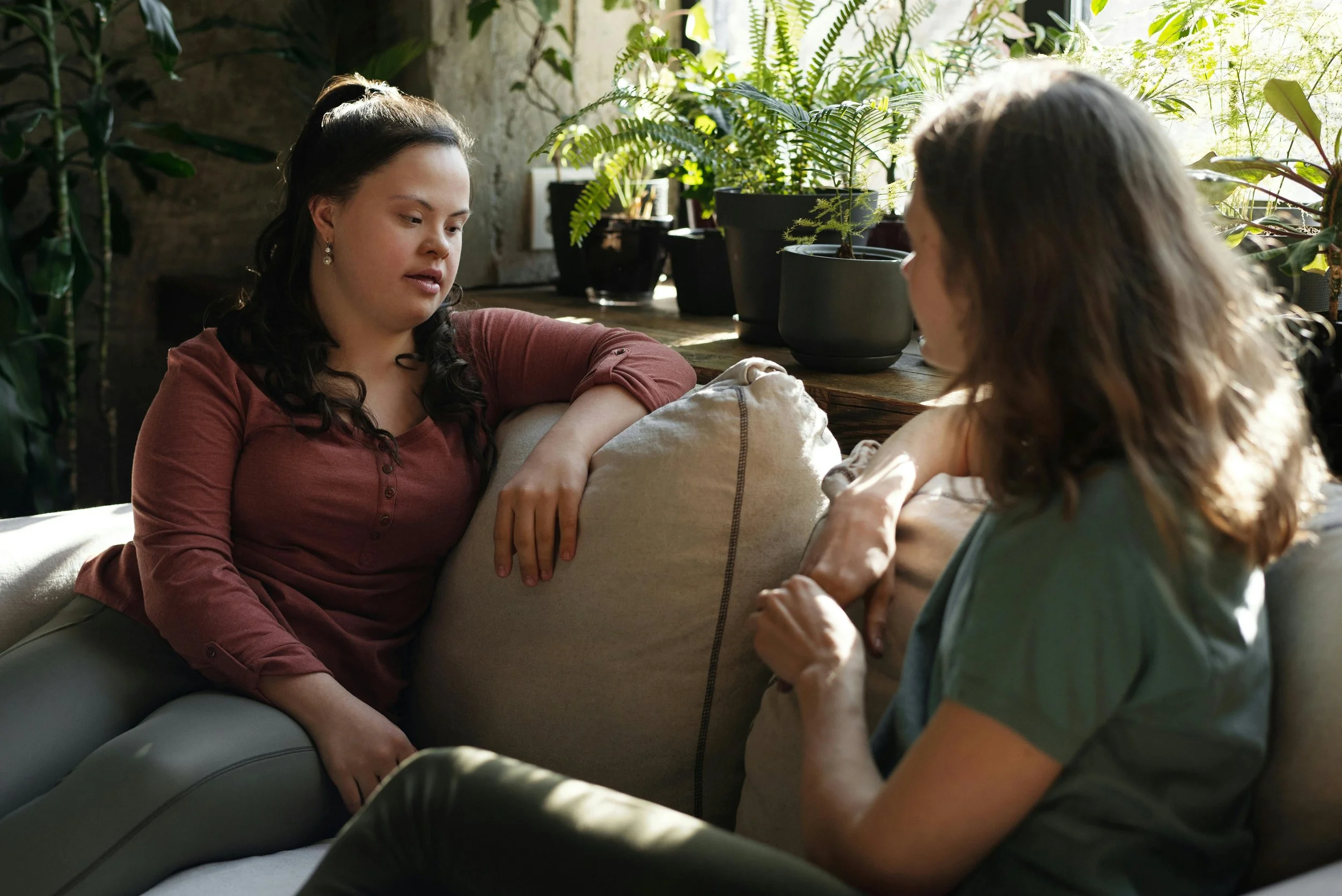
I we support people with disabilities and/or mental health issues through inclusive conscious sensuality services that promote learning, healing, growth, intimacy and connection. I support people with disabilities to participate in the community, reduce the risk of isolation or discrimination, and to work towards becoming or remaining independent and engaged in society.
I am committed to working collaboratively with NDIS participants, care-givers and support workers to:
1. Understand and identify each individuals specific needs regarding conscious sensuality;
2. Offering experiences with care and attention; and,
3. Linking participants and support teams to services appropriate to their needs.
I ame committed to working collaboratively with relevant Commonwealth and State Government Departments (including Victorian Department of Health Department of Families, Fairness and Housing), Local Government Authorities, NDIS networks, disability advocacy organisations (eg. Regional Disability Advocacy Service Ltd) and, not-for-profit disability support organisations (eg. Yooralla). I also strive for continuous improvement and meeting fundamental outcomes for participants - enhanced accessibility in community and connection to self.
Enquire via phone: 0491 643 454

“Disability does not define your sexuality; it’s an integral part of who you are.”